
The early release click test
The 3-Second Click Test That Shows If You Release Too Early
If your swing feels powerful but the ball still comes off weak, your speed may be getting spent before impact. This simple click test helps you hear when the release is happening.
- Understand the release timing problem before you shop
- See why an early click means speed is leaking too soon
- See the trainer once the release problem makes sense
Why the swing feels confusing
A Stronger Swing Does Not Help If The Release Happens Too Soon
Many golfers try to fix weak shots by swinging harder. The issue is often timing: the wrists and club release early, speed leaks out, and impact arrives after the power has already been spent.
The pattern
Three Signs The Release Is Happening Too Early
Power
The swing feels fast
Early release can feel like effort, which makes it hard to identify without feedback.
Impact
Speed arrives too soon
If the release happens near the top, less useful speed is left when the club reaches impact.
Practice
Reps become guesswork
Without a clear signal, each practice swing can reinforce the same timing pattern.
Self-diagnosis
Where Does Your Click Happen?
Pick the sound pattern that feels closest to your swing. The answer tells you what to look for before you move to the product page.
Choose the closest match
Likely early release
Your speed may be getting spent before the club reaches the ball. The goal is to smooth the transition and move the sound later.
Timing is improving, but still early
This is where feedback helps. You can use controlled reps to move the click closer to impact without adding more swing thoughts.
Better release window
That later sound is the feel golfers are trying to repeat. The trainer gives you a simple cue to rehearse it before balls, range sessions, or rounds.
Up close
See The Trainer Before You Decide
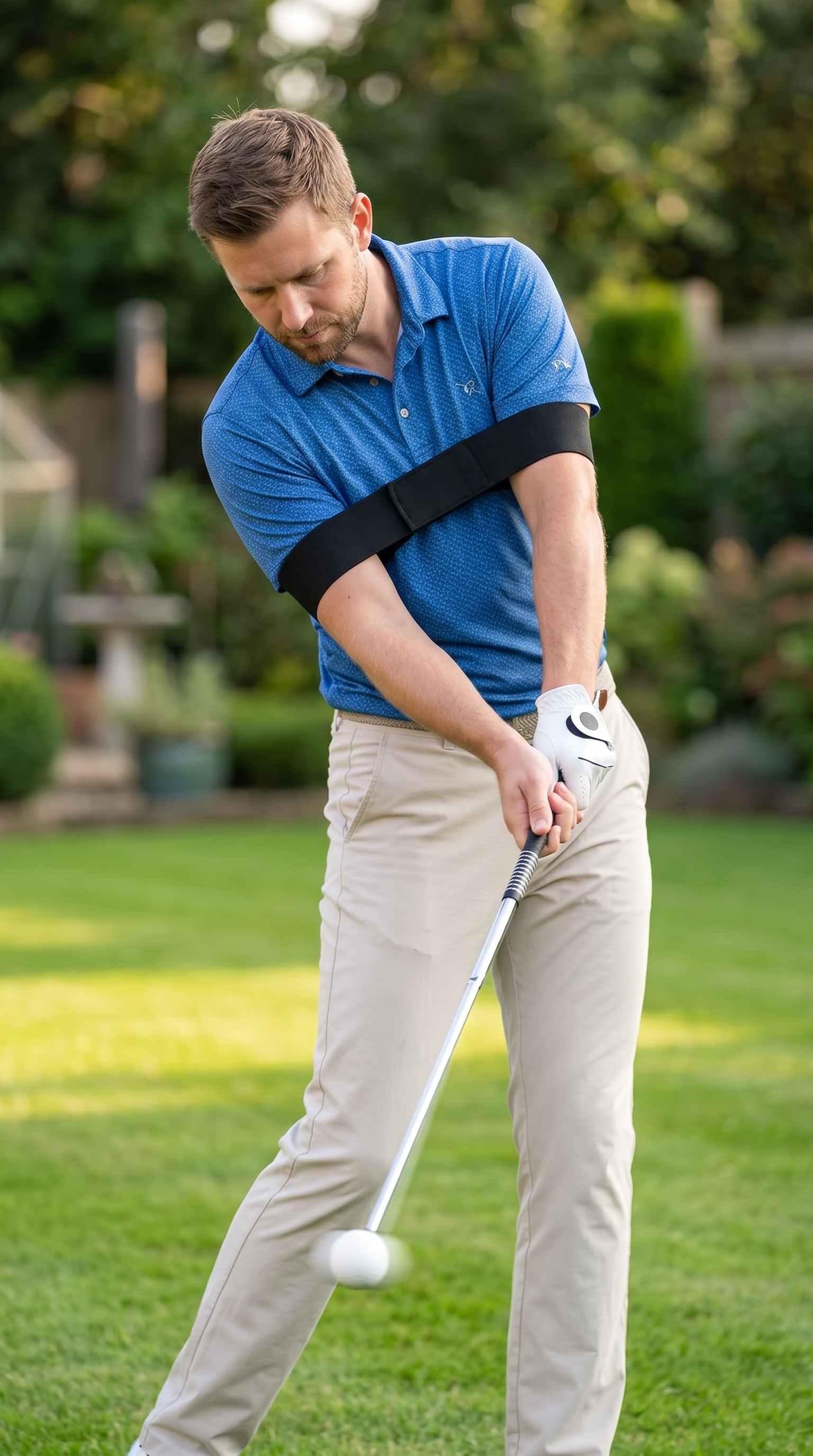
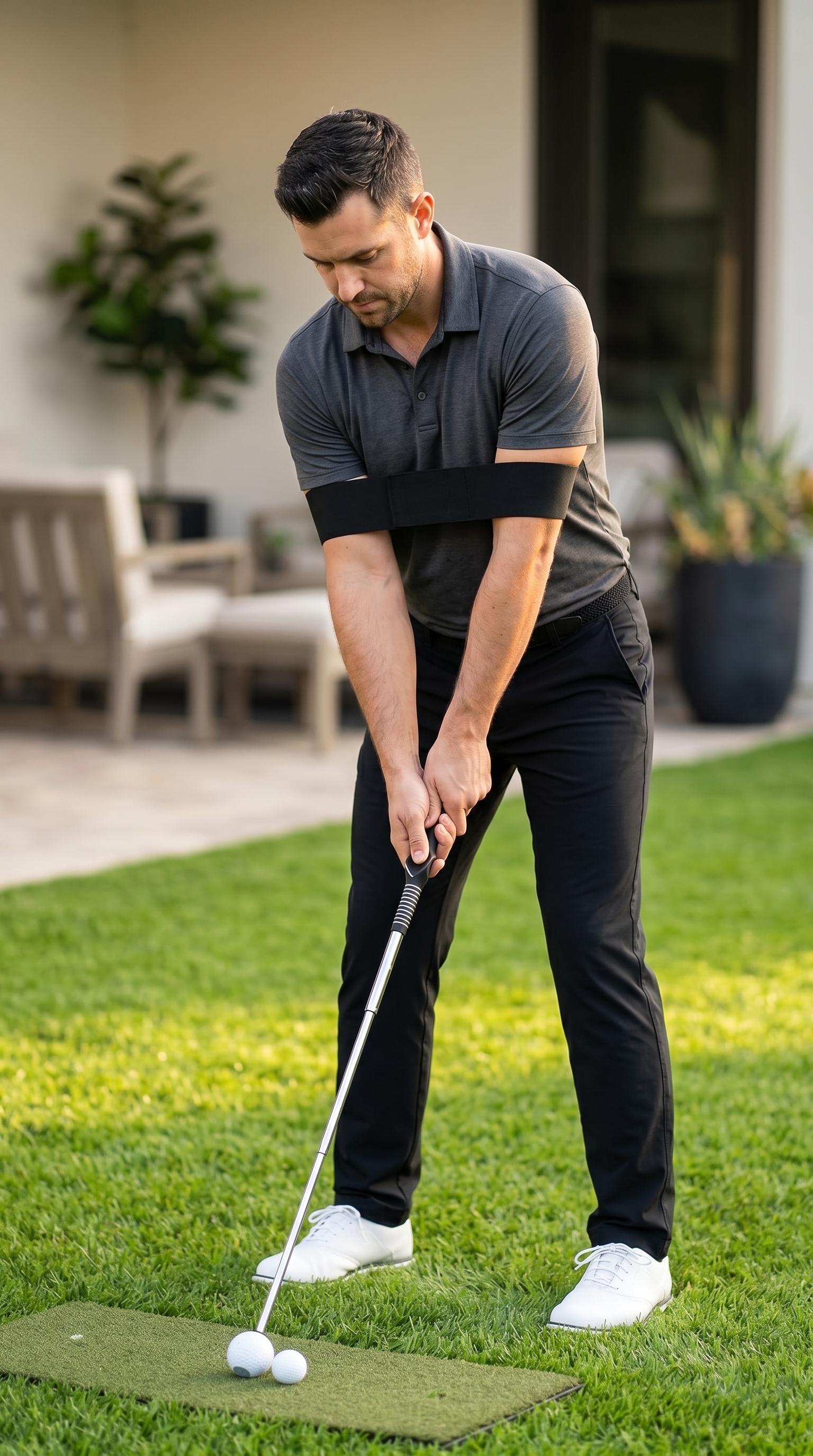
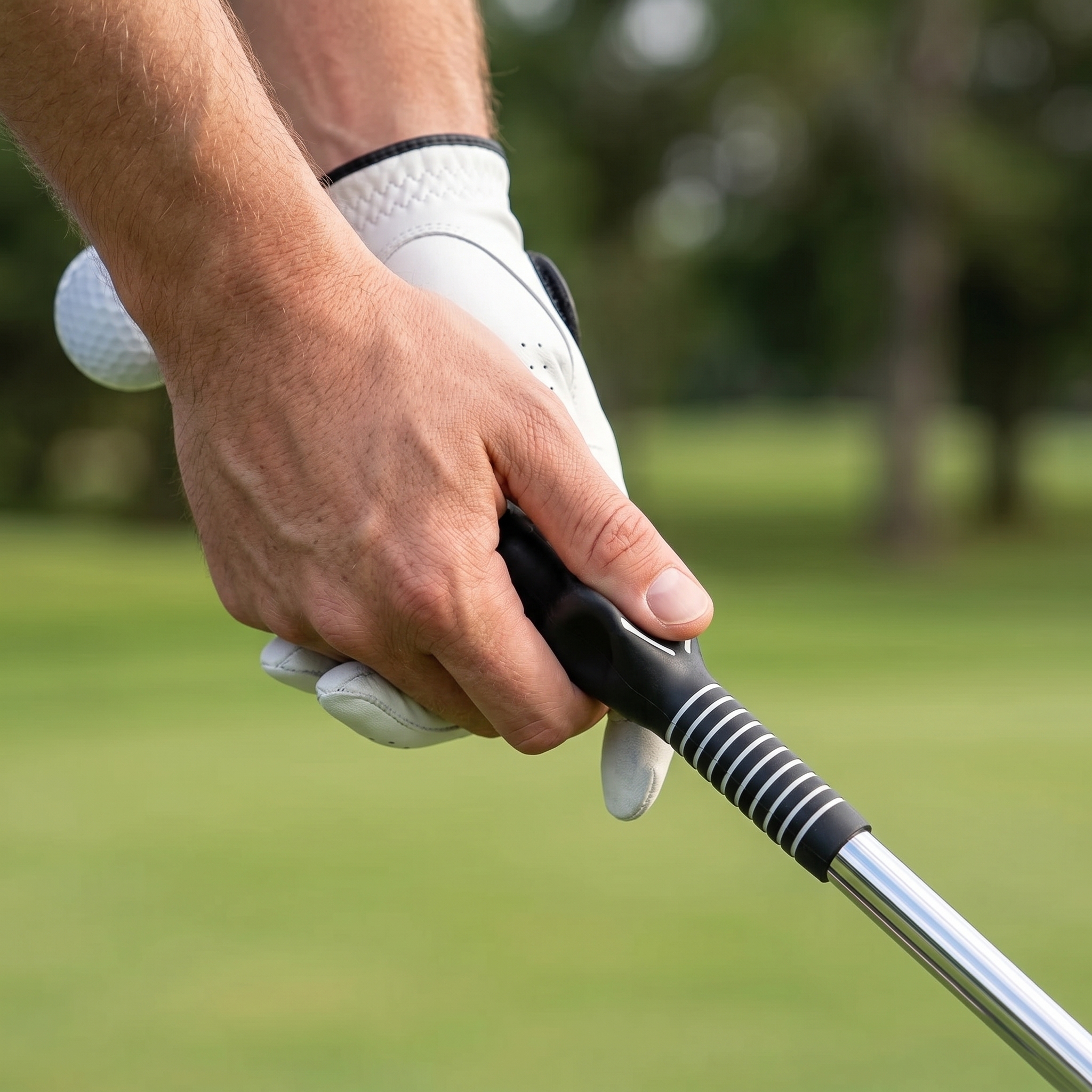
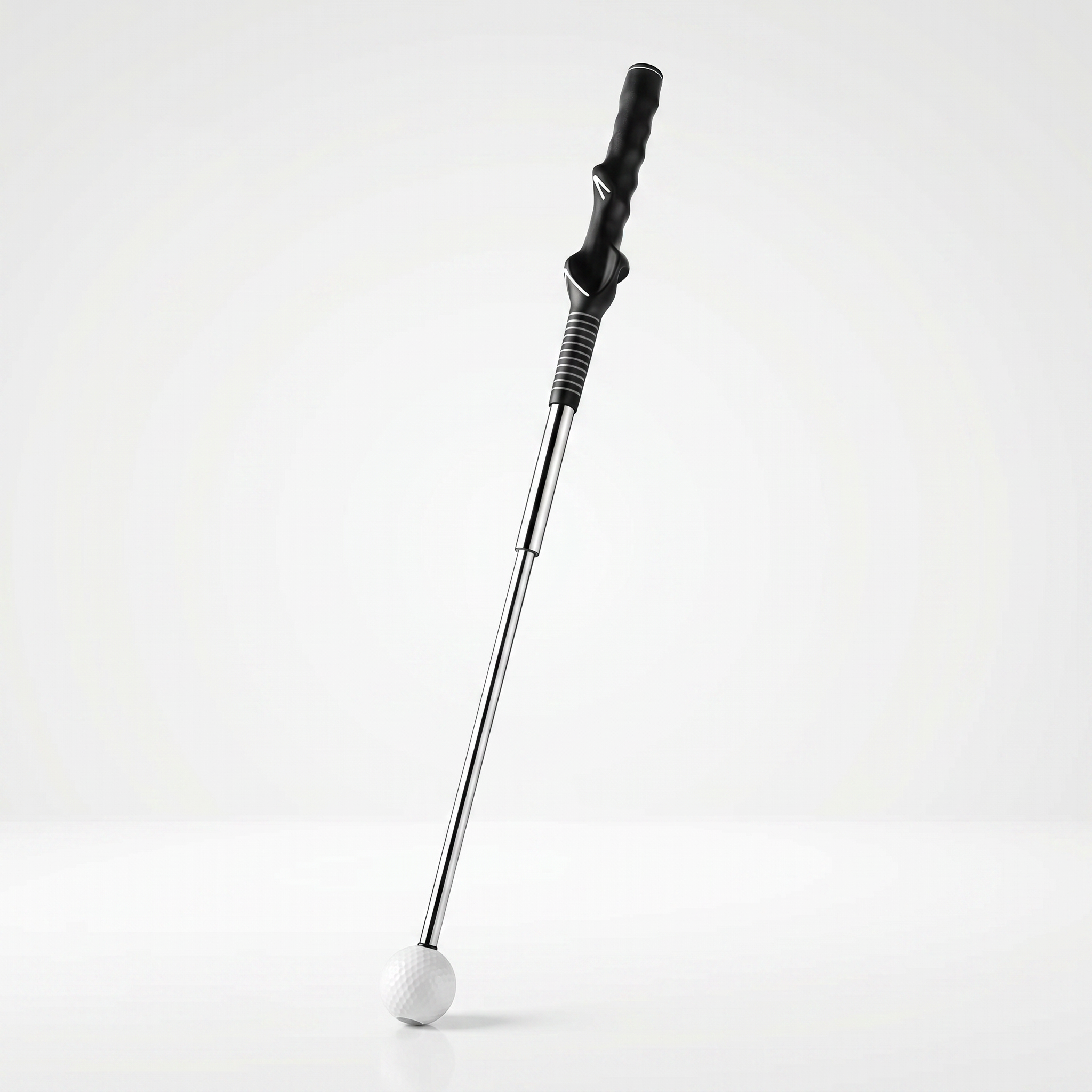
The click test is simple, but the product still needs to feel tangible. These shots show the grip, shaft, and training head up close.

The 3-second check
Listen For The Click
The trainer gives each practice swing a simple signal. If the click fires early in the downswing, the release is early. The goal is to move that click closer to impact with smoother timing.
Grip the trainer like a club
Use a safe practice space and start with short, controlled swings.
Listen for when it clicks
A click near the top means the release is happening too early.
Move the click later
Use smoother tempo to train the feel of releasing closer to impact.
What the sound means
The Click Turns A Vague Swing Feel Into Clear Feedback
The product is not trying to overwhelm golfers with data. It gives one clear piece of feedback so each rep has a purpose.
You are casting or releasing early
The click gives a simple signal that the club is being released before the strongest part of the downswing.
The timing is moving closer to impact
The goal is not to force the swing. It is to connect a smoother motion with a later release signal.
Why this is easier
Stop Guessing. Start Hearing The Timing.
Most golfers try to add effort. The click test gives you a cleaner goal: hear the release, adjust the timing, and repeat the feel.
Who it helps
Use It When You Want Simple Feedback Before You Hit Balls
Home
Short daily reps
Use it for quick timing practice when you do not have time for the range.
Range
Warm-up feedback
Rehearse release timing before moving into normal clubs and full shots.
Course
Pre-round feel
Use controlled swings to remind your body what later release timing should feel like.
The next step
The Pro Swing Click Trainer Was Built For This Exact Feedback Loop
If the early release pattern sounds familiar, the Pro Swing Click Trainer gives you the feedback cue to practice it on purpose.
What you will see next
- Demo-first explanation of the click mechanism
- Product gallery, specs, offer details, and FAQ
- Clear offer details, FAQ, and a secure checkout path
Before you click through
Questions About The Click Test
It usually means the release is happening too soon in the downswing, so useful speed may be spent before impact.
No. The trainer is designed for controlled practice swings, so you can rehearse timing without a ball, net, or app.
The goal is to move the click later in the motion, closer to impact, while keeping the swing smooth and controlled.